Blog ·
A Guide to Removing Common Upholstery Stains and Keeping Your Furniture Fresh
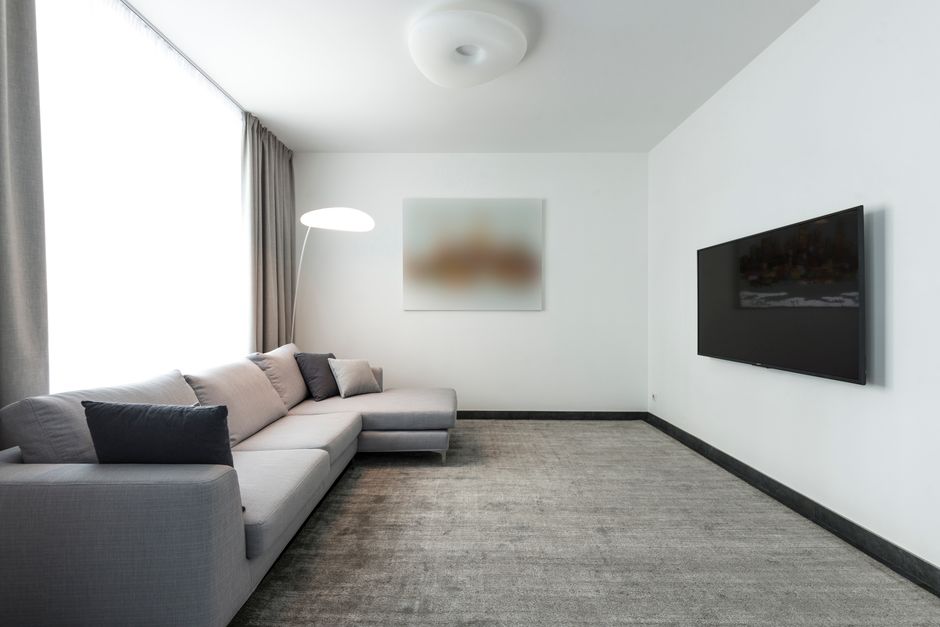
Your upholstered furniture endures daily use, spills, and accidents. Learning how to handle common stains and maintain your pieces keeps them looking beautiful while extending their lifespan.
Understanding Your Fabric
Before treating any stain, identify your upholstery fabric type. Check manufacturer labels for cleaning codes: W indicates water-safe fabrics, S means solvent-only cleaning, WS allows both methods, and X requires professional cleaning only. This information prevents damage from inappropriate cleaning attempts.
Common Stains and Initial Response
For wet stains like spilled drinks or food, blot immediately with a clean, absorbent cloth. Press firmly to absorb as much liquid as possible, working from the stain's outer edges toward the center. For dried stains, allow them to dry completely before attempting removal. Treat oily stains like grease differently—sprinkle baking soda to absorb the oil, let it sit, then vacuum gently before any liquid treatment.
Spot-Cleaning Techniques That Work
For water-safe fabrics, mix a solution of mild dish soap and cool water. Dampen a cloth with the solution and gently dab the stain, working from outside edges inward. Avoid rubbing, which drives the stain deeper. After cleaning, dampen another cloth with plain water to remove soap residue, then blot dry. Pet accidents require enzymatic cleaners specifically designed to break down biological matter—these work where regular cleaners fail.
Stains That Demand Professional Attention
Ink, wine, chocolate, and dye-based stains often set quickly and resist home treatment. Attempting removal yourself risks permanent damage. Professional cleaners understand stain chemistry and use targeted removal techniques appropriate for each stain type and fabric composition. They also have access to powerful equipment and specialized solutions unavailable to consumers.
Prevention Strategies
Preventive treatments create a protective barrier on upholstery fibers, giving you extra time to address spills before they set. Place coasters under drinks, use placemats when eating on furniture, and enforce no-food policies on certain pieces. Pets require additional vigilance—use protective throws on favorite lounging spots.
Regular Maintenance Extends Freshness
Vacuum upholstered furniture weekly with an upholstery attachment to remove dust and debris. Rotate cushions regularly to distribute wear evenly. Professional cleaning annually removes embedded dust and refreshes fibers, maintaining your furniture's appearance and hygiene.
When DIY Isn't Enough
If stains persist after your efforts or cover large areas, professional upholstery cleaning is worthwhile. Professionals assess your furniture's specific needs and apply appropriate cleaning methods that restore appearance while protecting your investment.
With proper care and knowing when to seek professional help, your upholstered furniture remains a beautiful and comfortable part of your home.